The concept of smartwatches can be traced back several decades before the first Apple iWatch was introduced. In the early 1980s, companies began experimenting with wrist-worn devices that combined the functionality of a traditional watch with basic computing power. These devices were quite rudimentary, primarily offering features like calculators and simple games. The idea was innovative but not yet practical enough for widespread consumer use.
As technology advanced, the late 1990s and early 2000s saw the rise of more sophisticated smartwatches. One notable example was the Seiko Ruputer, which featured a small LCD screen and could be connected to a computer. Despite its tech-forward design, the Ruputer didn’t quite capture the public’s imagination. Other attempts followed, including watches with fitness tracking capabilities, but they remained niche products, appealing only to specific consumer segments.
It wasn’t until the 2010s that the smartwatch market began to gain traction. With the advent of smartphones, the potential for wearable technology became clearer. Companies like Pebble started creating watches that could sync with smartphones to display notifications and fitness data, showing a glimpse of the capabilities that would later define smartwatches. This era marked a significant turning point, as consumers began to see the practical benefits of having smartphone features right on their wrist.
All of these early attempts paved the way for Apple’s entry into the smartwatch world. When Apple launched the iWatch in 2015, it did so on the back of years of development and consumer interest in wearable tech. The iWatch combined sleek design with powerful features, bridging the gap between a traditional watch and a smartphone. This shift fundamentally changed how people interacted with technology, making smartwatches a central part of the personal tech ecosystem.
First Generation of Apple iWatch
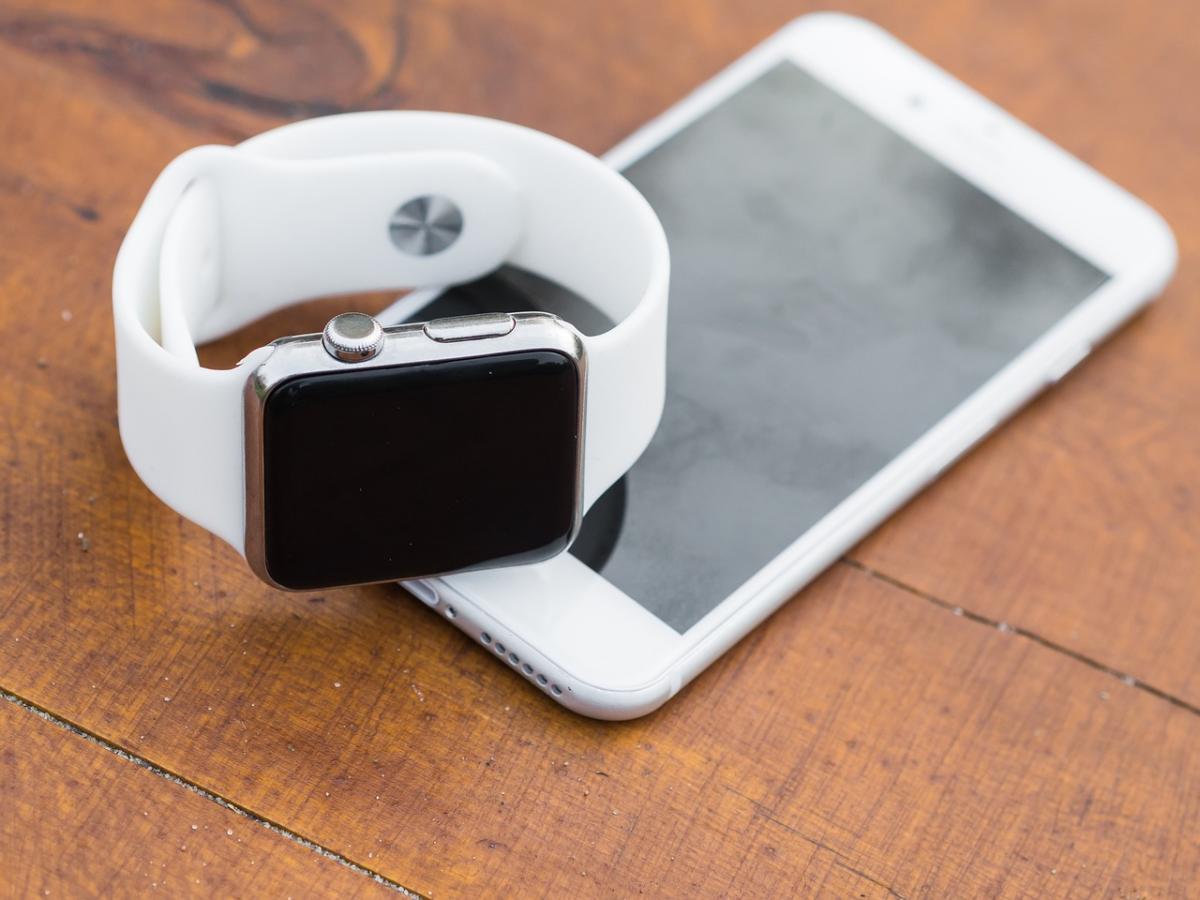
The first generation of the Apple iWatch, released in April 2015, marked Apple’s entry into the wearable technology market. This innovative device was designed to work seamlessly with the iPhone, allowing users to receive notifications, track fitness activities, and access various apps right from their wrists. The iWatch came in three collections: Apple Watch, Apple Watch Sport, and Apple Watch Edition, catering to a range of customers from fitness enthusiasts to luxury buyers.
This first model featured a sleek design with a rectangular touchscreen display and offered customizable watch faces. Users could choose from a variety of bands made from different materials, including fluoroelastomer, stainless steel, and leather. The emphasis on personal expression and style made the iWatch not only a functional gadget but also a fashion statement, appealing to a wide audience.
In addition to its design, the first generation of the Apple iWatch introduced several groundbreaking features. It included health and fitness tracking capabilities, heart rate monitoring, and activity rings that encouraged users to stand, move, and exercise more throughout the day. The introduction of these health-focused features reflected Apple’s commitment to promoting a healthier lifestyle among its users.
While the original iWatch faced some criticism for its battery life and reliance on the iPhone for many functions, it laid the foundation for future iterations. The first generation successfully captured the imagination of tech enthusiasts and everyday consumers alike, proving that wearables could enhance our daily lives in meaningful ways.
Key Features That Changed the Game
The Apple iWatch has come a long way since its initial release, introducing several key features that have set it apart from other smartwatches on the market. One of the standout features is the health and fitness tracking capabilities. From monitoring heart rates and tracking workouts to offering personalized coaching and reminders for movement, the iWatch has become an essential device for both fitness enthusiasts and those simply looking to improve their daily activity levels.
Another game-changing feature is the seamless integration with other Apple devices. The ability to receive notifications, make calls, and control smart home devices right from the wrist makes the iWatch incredibly versatile. Users can stay connected without always reaching for their phones, making it a convenient companion for both work and play.
Furthermore, the introduction of customizable watch faces and apps has allowed users to personalize their experience like never before. From displaying the time in a unique way to providing quick access to essential apps, users can tailor their iWatch to fit their individual styles and needs. This level of customization has contributed significantly to the device's popularity and adaptability.
Lastly, the introduction of Apple Pay has transformed the way users handle transactions. With just a tap of the wrist, iWatch users can make secure payments at stores or online, reducing the need to carry cash or cards. This feature has simplified shopping experiences and highlighted the iWatch as a device capable of integrating financial transactions seamlessly into daily life.
Future of Apple Smartwatches
Another exciting possibility is the integration of augmented reality (AR) technology. Imagine receiving notifications and accessing apps through a smart interface projected onto your surroundings. This could revolutionize how we interact with our devices and the world around us. AR could also enhance workout experiences by providing real-time coaching and augmented fitness tracking during outdoor activities.
Battery life is another crucial aspect that Apple aims to improve. As smartwatches become more feature-rich, the demand for longer battery life will grow. Future iWatches may use advanced battery technology, possibly leveraging solar power or more efficient energy management systems to extend usage between charges.
Moreover, the potential for greater customization cannot be overlooked. Apple could offer a wider array of bands and watch faces, allowing users to personalize their devices to reflect their styles. Coupled with advanced AI that learns from user habits, future Apple smartwatches may provide tailored recommendations for apps, health routines, and even social interactions.